
Durham Eating Disorder Treatment for Children & Teens
Experienced Dietitians Specializing in Childhood Eating Disorders

About Ruby Oak Nutrition
We’re a group of registered dietitians with specialized training in eating disorder treatment for children, teenagers, and adults. When we work with adolescents and their families, our goal is to help create a compassionate and supportive environment for successful eating disorder recovery. We understand that eating disorders come with a pretty wide range of behavioral and psychological challenges that vary from person to person, and we work as part of your treatment team — which also includes mental health therapy, medical services, and sometimes psychiatric care — to support the healing journey of both your child and your family.
We offer both in-person and virtual appointments in order to make our outpatient services as accessible as possible for families with busy schedules.
Why choose Ruby Oak Nutrition for children & teen eating disorder treatment in Durham
Is your child struggling with an eating disorder or disordered eating behaviors? Sometimes, these challenges are hard for parents to spot, especially in a teenager who might try to hide their struggles from their parents and other caregivers. Here are some common signs and symptoms to look out for, according to Johns Hopkins Medicine:
-
Frequent comments about body weight or appearance
-
Skipping meals or eating small portions
-
Refusing to eat high-sugar, high-fat, or high-calorie foods
-
Overall restrictive food intake
-
Excessive exercise
-
Significant weight loss
-
Fear of weight gain
-
Severe body image issues
-
Secret eating/binge eating (finding hidden food wrappers or a secret food stash)
-
Purging (often leaving the table soon after meals to go to the bathroom, bloodshot or puffy eyes, cuts on the fingers, popped blood vessels in the skin)
-
Laxative use
-
Periods of fasting
-
Extremely picky eating
-
Lack of interest in food
-
Calorie or macro counting
-
Avoiding social events that include food
-
Concern about negative side effects of eating like stomach pain, vomiting or choking
If your child or teenager is showing some of these eating disorder symptoms, working with a registered dietitian is crucial to figuring out and addressing the problem. Sometimes your pediatrician may catch these symptoms, but often they don’t. Many doctors don’t have enough time to spend with their patients and therefore can’t ask the right questions, and sometimes adolescent patients just don’t feel comfortable enough at the doctor’s office to share that they’re struggling with food or body image.
It’s OK to reach out to an eating disorder dietitian even if you don’t have a referral or diagnosis. There are so many ways that a dietitian can help with family therapy for eating disorders, including:
-
Coaching you (the parent) on how to talk about food with your child and explaining how and why family involvement can support recovery
-
Working with you to create meal plans that support recovery and make sense for the whole family
-
Explaining the nutritional rehabilitation process and empowering you to try it at home
-
Answering your questions about various eating disorders, co-occurring disorders, age appropriate eating behaviors, diet culture, and more
-
Connecting you with other eating disorder treatment providers in Durham NC and across North Carolina
-
Working directly with your child to address their food fears and disordered eating behaviors
-
Laying out a personalized treatment plan that helps you understand the “why” behind each recommendation
-
Giving suggestions for inpatient and residential programs if your child needs this level of care (because we know that Googling them is so overwhelming!)
We use a family-based treatment model for adolescent eating disorder recovery.
Adolescence is a unique life stage that can be challenging for both child and parent. There are so many complex factors that might determine why some people in this age group develop eating disorders while others don’t. Instead of pointing fingers and placing blame, we work with the rest of your care team to create a targeted support plan for family-based treatment (FBT). The goal of this model is to create an environment that’s similar to a residential treatment stay but allows your child to stay home. FBT has three main phases:
Phase One: Weight Restoration/Re-feeding
In the initial phase of FBT, the focus is on restoring the client’s weight to a healthy level and/or restoring their nutrition status. Parents are responsible for providing the appropriate foods in appropriate amounts (which your dietitian will determine with you and guide you through). Parents are also responsible for ensuring that their child eats enough food, including foods they may be afraid to eat, and monitoring them to prevent any compensatory behaviors like purging or over-exercising.
Phase Two: Returning Control to the Adolescent
Once the child or teenager’s weight is stabilized and their nutrition status is restored, the focus shifts to gradually returning control over eating to the client. Your dietitian will work with the whole family to empower your teenager to make their own food choices and manage their eating behaviors, while still providing support and structure.
Phase Three: Establishing a Healthy Relationship With Food
The final phase of FBT aims to help the client develop a healthy adolescent identity, which includes a healthy relationship with food and a positive body image. Your dietitian will help your child work towards intuitive eating while they continue to work with a therapist on establishing a healthy adolescent identity outside of their eating disorder.
6 of the best Durham eating disorder dietitians for children and teens
If you’re looking for child or teen eating disorder treatment in Durham, our dietitians can help. We use evidence-based therapies and in an outpatient setting to support the recovery process.

1. Christine Byrne, MPH, RD, LDN
Christine Byrne (she/her) is a registered dietitian in Raleigh and Durham, NC. She enjoys working with families because she’s seen firsthand how life-changing it can be for children and teenagers to get support in the early stages of their eating disorder. Early intervention can help prevent some of the more long-term adverse consequences of eating disorders, and Christine offers exceptional, age-appropriate care that makes lasting recovery possible.
-
Credentials: Registered Dietitian (RD), Licensed Dietitian Nutritionist (LDN) in North Carolina
-
License number: L006631 (NC)
-
Education: Northwestern University (Bachelor of Arts in English), The University of North Carolina at Chapel Hill (Master of Public Health in Nutrition)
-
Specialty areas: Adult eating disorders, intuitive eating
-
Years in practice: 3
2. Abby Caudle-Patton, MS, RD, LDN
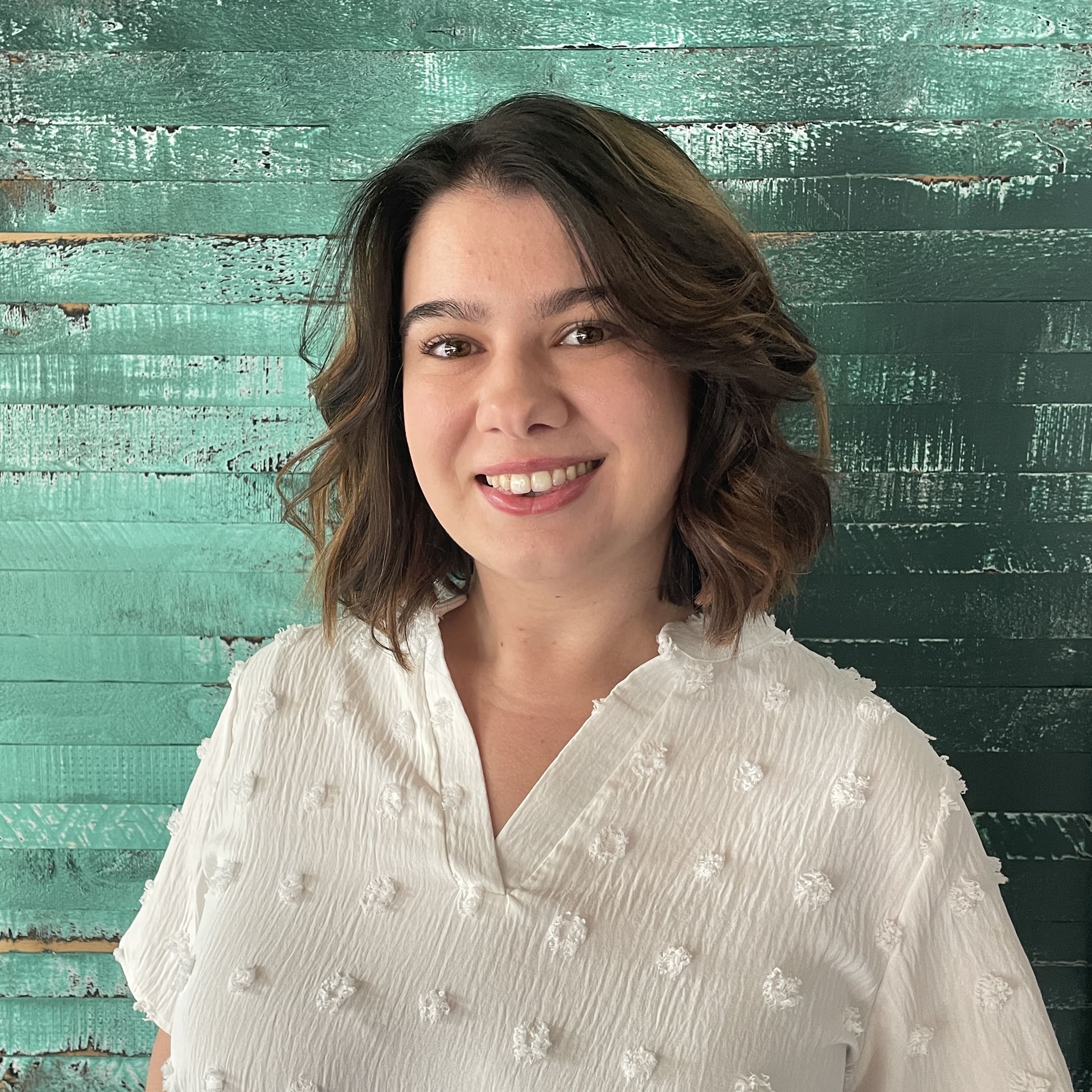
Abby Caudle-Patton (she/her) is a registered dietitian nutritionist in North Carolina. She previously worked as a therapeutic aide at a Durham treatment center for eating disorders for children and teens, so she’s very familiar with the challenges that might come up at meal times. With her experience in residential care and her knowledge of the significant challenges of recovery, she can serve as a great recovery partner for your family.
-
Credentials: Registered Dietitian (RD), Licensed Dietitian Nutritionist (LDN) in North Carolina
-
License number: L006919 (NC)
-
Education: North Carolina State University (Bachelor of Science in Nutrition), Meredith College (Master of Science in Nutrition and Dietetics)
-
Specialty areas: Adult eating disorders, teen eating disorders, intuitive eating, chronic disease management
-
Years in practice: 2

3. Serena Hutchinson, MPH, RD, LDN, IBCLC
Serena Hutchinson (she/her) is a registered dietitian nutritionist who sees adolescents and adults in our Durham office and virtually through telehealth. She’s especially skilled at building rapport with teenagers and can guide parents through the challenges of meal planning and navigating the complex personal relationship dynamics that come with parenting a child with an eating disorder.
-
Credentials: Registered Dietitian (RD), Licensed Dietitian Nutritionist (LDN) in North Carolina, International Board Certified Lactation Consultant (IBCLC)
-
License number: L007181 (NC)
-
Education: Florida State University (Bachelor of Science Dietetics and Psychology), The University of North Carolina at Chapel Hill (Master of Public Health in Nutrition), Carolina Global Breastfeeding Institute (International Board Certified Lactation Consultant)
-
Specialty areas: Adult eating disorders, teen eating disorders, lactation/breastfeeding, pregnancy and postpartum nutrition
-
Years in practice: 2

4. Deidra Sisk, MS, RD, LDN
Deidra Sisk (she/her) is a registered dietitian nutritionist in North Carolina who offers virtual nutrition counseling to teenagers and their families. She has experience working in various levels of eating disorder care, including a residential adolescent and adult program, partial hospitalization, and an intensive outpatient program. She takes a direct and compassionate approach, and she’s great at coaching parents through the challenging parts of FBT.
-
Credentials: Registered Dietitian (RD), Licensed Dietitian Nutritionist (LDN) in North Carolina
-
License number: L004298 (NC)
-
Education: Eastern Carolina University (Bachelor of Science in Nutrition Science, Master of Science in Nutrition Science),
-
Specialty areas: Adult eating disorders, teen eating disorders, chronic disease management
-
Years in practice: 9

5. Sarah Booth, MS, RD, LDN
Sarah Booth (she/her) MS, RD, LDN is an eating disorder dietitian who practices Health at Every Size® (HAES) and intuitive eating. Before joining Ruby Oak Nutrition, she worked at an eating disorder treatment center in Durham, NC. She enjoys working with adolescents who struggle with bulimia nervosa, binge eating disorder, and other eating disorders. Sarah also has experience in school nutrition, so she’s skilled at helping parents create meal plans that are varied and flexible.
-
Credentials: Registered Dietitian (RD), Licensed Dietitian Nutritionist (LDN) in North Carolina
-
License number: L006632 (NC)
-
Education: Appalachian State University (Bachelor of Science in Nutrition, Master of Science in Nutrition),
-
Specialty areas: Adult eating disorders, teen eating disorders, chronic disease management
-
Years in practice: 3

6. Anna Duke, MS, RD, LDN
Anna Duke (she/her) is a North Carolina sports nutritionist and registered dietitian who offers virtual and in-person nutrition counseling. She takes a Health at Every Size-aligned approach to her work with clients, and she uses the principles of intuitive eating to guide people in improving their nutrition. As a distance runner herself, Anna is passionate about helping athletes fuel their bodies for better performance and overall health. She also guides folks in eating disorder recovery towards a more peaceful relationship with food.
- Credentials: Registered Dietitian (RD), Licensed Dietitian Nutritionist (LDN) in North Carolina
- License number: L007634 (NC)
- Education: Appalachian State University (Bachelor of Science in Nutrition Science, Master of Science in Nutrition Science)
- Specialty areas: Sports nutrition, adult eating disorders, chronic disease management
- Years in practice: 2
FAQs about eating disorder treatment for children & teens
How long will treatment take?
This is an impossible questions to answer, since everyone’s eating disorder recovery timeline is different. Sometimes, we only work with clients for a few weeks before helping them transition to a higher level of care. Other times, we might work with a family for months or years to make sure they have the right support in place. We’re all about promoting healthy growth for adolescents, and sometimes it takes a long time for someone to get back on their growth curve and/or overcome longstanding behavioral patterns. We often remind parents that mental development/brain development continues until age 25, and some adolescents need ongoing or intermittent support until they reach adulthood.
How can I pay for treatment?
Eating disorder treatment can be expensive, which is why we’re in-network with North Carolina’s largest insurance companies. Most plans cover the full cost of a dietitian for eating disorder treatment for children and teens, while others require a small co-pay or co-insurance (usually $20-$40) for appointments.
If we’re out of network with your health insurance provider, we can provide a super bill for appointments that you can submit to your insurance company for possible reimbursement.
To see the exact cost of appointments and get more information on insurance coverage, visit our Insurance and FAQ page.
Should I consider an eating disorder treatment center for my child?
Sometimes, adolescents need more intensive support than parents and an outpatient treatment team can provide. If your child is severely undernourished or if they can’t stop engaging in disordered behaviors at home, they may need a higher level of care, like an eating disorder treatment center or specialized inpatient treatment. (This isn’t your fault!) Residential treatment centers provide essential support including therapeutic meals, culinary and nutritional programming, tailored treatment plans, tailored academic support, movement therapy, dialectical behavior therapy and other types of mental health support, and other crucial aspects of child and teen eating disorder treatment.
If you don’t know whether your child would benefit from residential or inpatient care, we can help you figure it out. We have relationships with various treatment centers in Durham, NC and elsewhere in North Carolina and across the country, and we can help you make the best choice for your family.
Get compassionate, family-based eating disorder treatment for your adolescent.
If you think your child has an eating disorder, don’t hesitate to reach out to our team of dietitians. We provide specialized and individualized care, and we’re happy to help you navigate the treatment process.
You don’t need a diagnosis or a referral to work with us — in fact, many of our clients don’t have these things when we begin working together. To work with one of our dietitians, fill out our appointment request form and we’ll get back to you as soon as possible.