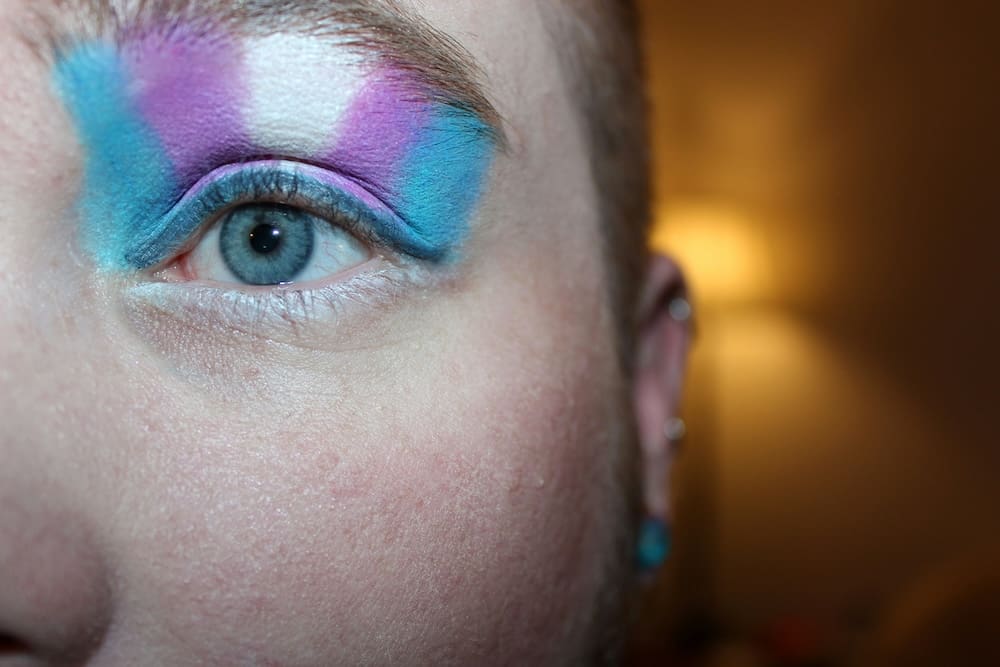
Body image is something many of us think about, but body image as a transgender person often carries a deeper, more layered meaning. It’s not just about how a body looks, but how a body feels to live in, reflecting identity and self-expression. This post explores the complexities of body image in trans communities and highlights affirming approaches to support.
What is body image?
The American Psychological Association describes body image as the mental picture you have of your body. How you see it, how you feel it, and how those feelings shape your behaviors. It includes thoughts, feelings, and behaviors regarding one’s appearance, which can be positive, negative, or neutral.
Body image is complicated for many of us, but for transgender or gender diverse people (TGD), it often goes beyond appearance. It’s tied to safety and identity. Think of it as the desire to be recognized for who you are. When these things don’t quite match, it can bring up a mix of emotions like frustration, sadness, numbness, discomfort, or the sense of “this doesn’t fit”.
It’s important to remember that grappling with these feelings doesn’t make you dramatic or overly focused on appearance. It simply means you’re human and trying to feel aligned with yourself.
And, you are not alone. According to one study, transgender and nonbinary individuals experience significantly higher rates of body dissatisfaction (90-93%) compared to their cisgender peers. This stark reality emphasizes the importance of understanding the factors influencing body image within the transgender community, which we will discuss below.
How the world around you plays a role
Body image doesn’t develop in isolation. Trans people often move through spaces where they’re dealing with misgendering, safety concerns, pressure to “pass”, limited representation, stigma, and discrimination. When the world feels unsafe or invalidating, it makes sense that your relationship with your body might feel tense or protective. You’re not imagining it, your environment matters.
The heavy weight of cisnormative beauty standards
Cisnormative beauty standards don’t just float around in the background, they shape almost every message we get about what a “good,” “attractive,”or “acceptable” body is supposed to look like. And for transgender and gender‑diverse people, these standards can feel especially suffocating.
Most of us grow up seeing only one kind of body celebrated: cisgender, thin, able‑bodied, and fitting neatly into traditional masculinity or femininity, you can see our blog post about it here. When that’s the only image held up as “normal,” anything outside of it gets treated as less-than, or even wrong. And that’s not just unfair, it’s harmful.
For trans people, this pressure shows up in a few really specific ways:
The idea that gender has to look a certain way
Society often demonstrates a limited view of gender expression, telling us that men should look one way and women should look another. But gender expression is so much broader than that. When society only validates certain versions of masculinity or femininity, trans people who don’t fit those narrow boxes can often face judgment.
This can make you feel like your body isn’t enough. Not feminine enough, not masculine enough, not androgynous enough. But that’s a reflection of the society, or rather the box, not the person.
The erasure of trans bodies in media and healthcare
When you rarely see bodies like yours represented in movies, ads, medical textbooks, or even clothing sizing, it can send a message that your body doesn’t belong. This is largely due to that fact that media can represent or shape what we believe is “real”. On top of this in a place where your supposed to feel safe, the national transgender survey accounts that over 50% of transgender people had to teach thier healthcare provider. These all reflect a system that isnt prepared with trans bodies in mind, which can be exhausting. And that has real implications for body image and the ability to feel at home with yourself.
The overlap with fatphobia and ableism
Cisnormative beauty standards don’t exist alone; they are often tangled up with fatphobia, racism, ableism, and ageism. Trans people who live in larger bodies or disabled bodies often face compounded stigma.
All of these components can make body image work feel like climbing a hill with extra weight strapped to your back. Cisnormative beauty standards aren’t just preferences but can feel as if they are cultural rules that reward some bodies and punish others.
I’ll admit, naming that weight doesn’t make it disappear, but it does help shift the blame off the individual. The problem isn’t you but the narrow definition of beauty we’ve been handed. And once you see that clearly, it becomes easier to imagine something gentler and more affirming for yourself.
So, what can we do about it?
We need to validate transgender people and gender dysphoria. For many trans people, gender dysphoria is real and persistent. And for some, healing (including healing from eating disorders) isn’t fully possible without access to gender-affirming care. This can include hormone replacement therapy, gender affirming surgery, and especially using correct names/pronouns. It is essential to understand that wanting to change your body doesn’t mean you don’t love yourself, but rather that you’re trying to live in a body that feels like you.
For trans people to thrive, we need healthcare that enables us to express our genders in the way that is best for us, and for those of us who have eating disorders, we need healthcare that addresses our intersections of identity and experiences in a way that is also respectful and validating. Additionally, we need to create a community where people of all gender expressions and identities are affirmed and valued.
Supportive resources if you’re struggling with body image as a transgender prson:
When we talk about body image in the trans community, it’s easy to focus on only the challenges. While naming them is a part of healing, it is just as important to talk about what can help. There are tools out there that speak directly to these experiences. The resources below don’t minimize dysphoria, force toxic positivity, and don’t pretend that body image work looks the same for everyone. But rather offer practical steps and meet people where they are, not where you are “supposed” to be.
The Body is Not an Apology: The power of radical self-love. Sonya Renee Taylor
This book resonates powerfully with transgender readers because it names something many trans people feel but rarely see articulated: the world is structured to privilege certain bodies and marginalize others. Sonya Renee Taylor’s idea of radical self‑love isn’t about pretending dysphoria doesn’t exist. It’s about creating a foundation of worthiness that can hold you through the hard moments. It’s a reminder that wanting to change your body and loving your body are not opposites and that they can coexist.
Hint: Check out some of her awesome podcast here!
This book is directly designed to address the unique body‑image challenges trans people face, specifically challenges that mainstream body‑image resources often overlook. It validates that body image work for trans people isn’t about “loving your body as it is” if that doesn’t feel true. It offers alternatives like body neutrality and self‑compassion.
How can a dietitian help?
Seeing a dietitian, especially one who is gender‑affirming and trauma‑informed, can make a huge difference in navigating body image as a transgender or gender‑diverse person. And not in the “meal plan and macros” kind of way people often imagine. A good dietitian becomes part educator and part advocate for the relationship you have with food and your body.
A gender‑affirming dietitian can help untangle the ways food, body image, and gender dysphoria overlap, especially when it’s hard to tell whether an urge to change your body is coming from dysphoria, an eating disorder voice, or a need for safety/control. They offer a judgment‑free space to explore the “why” behind your patterns and support you in building body trust without forcing body‑positivity messages that don’t feel true.
Beyond the physical, they create a safe space to talk about how misgendering, pressure to “pass,” and cultural beauty standards shape your relationship with food and your body, offering tools to build a more compassionate internal dialogue. They can help you develop practical strategies for eating in dysphoria‑triggering environments, managing body‑related comments, finding grounding routines, and rebuilding trust with your body, all while acknowledging the systemic barriers you face. So you don’t have to advocate for yourself alone.
Understanding all of these factors is a powerful first step. Naming the pressure of cis-normative beauty standards, the erasure in media and healthcare, and the intersections with fatphobia and ableism helps shift the focus away from self-blame and toward the real issue: a culture that had been far too narrow in its definition of what bodies are worthy. With the right support and tools, it’s absolutely possible to build a relationship with your body that feels more aligned with who you are.
If you’re struggling with an eating disorder or disordered eating, we can help! We’re a group of dietitians who take a non-diet, body-positive, identity-affirming approach to recovery and healing your relationship with food. Go here to learn more about nutrition counseling for kids, teenagers, and adults, in-network with most major insurance companies and offered virtually to clients in North Carolina and over a dozen other states.
Ready to book an appointment? Click here to book online.
Not ready to commit to counseling but want more information about the anti-diet approach? Subscribe to our weekly newsletter.
You might also like:
- Best Body Image Books: Acceptance and Liberation
- Feeling Shame About Your Body? Here’s How to Handle it.
- How to Set Boundaries With Friends When You’re Recovering from Disordered Eating
- What Is Intuitive Eating? Why Is it Better Than Dieting?

0 Comments