
Soy is one of those foods that seems to come with a lot of opinions. One minute it’s labeled a “superfood,” and the next it’s something people say you should avoid completely.
If you’ve ever felt confused about soy, you’re definitely not alone. Nutrition advice can get overwhelming fast, especially when it’s based more on fear than facts.
So let’s walk through this together in a simple, no-stress way. We’ll break down some of the most common myths about soy and look at what the research actually says, without the jargon or scare tactics.
First, what is soy?
Before we get into the myths, it helps to know what we’re actually talking about.
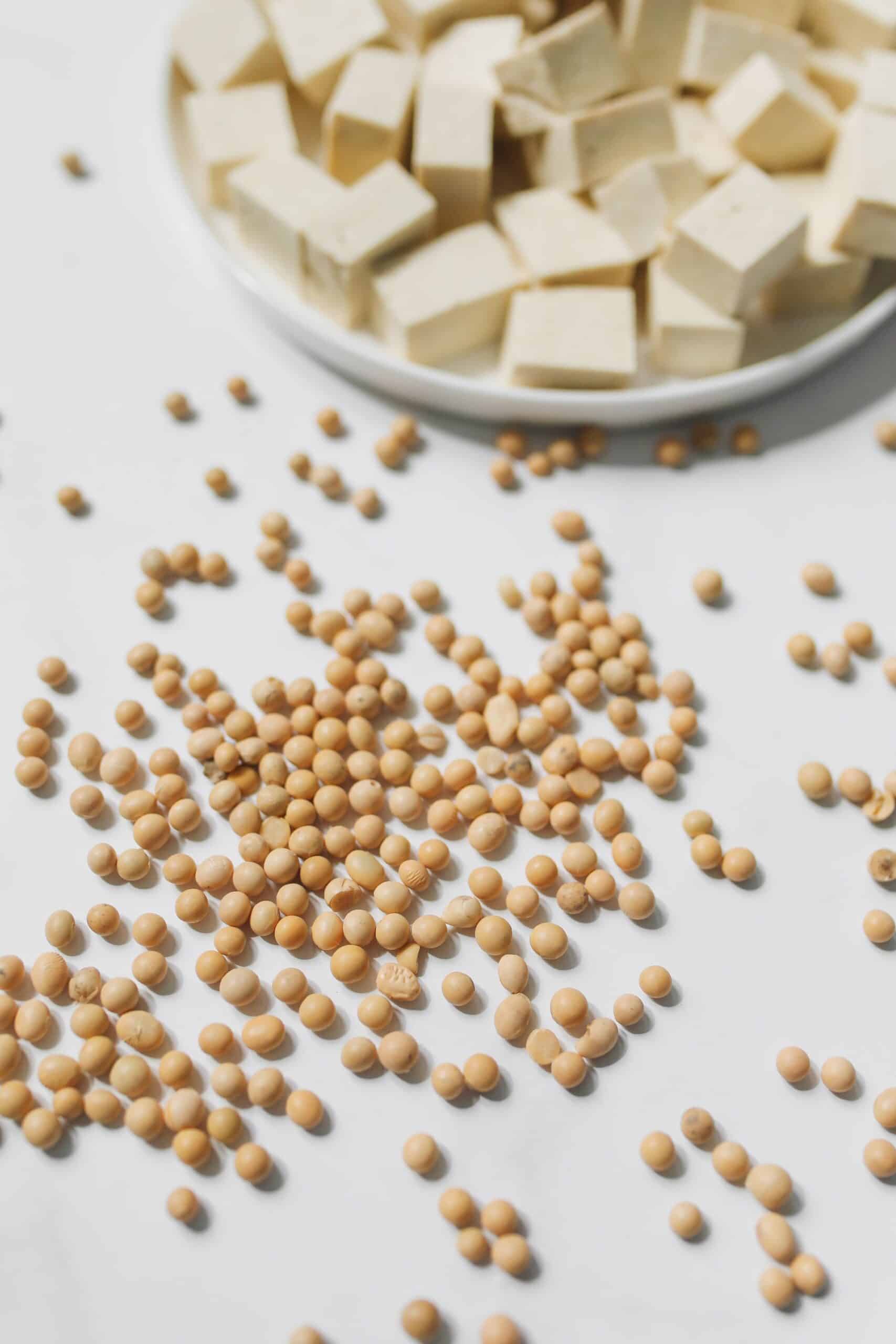
Soy comes from soybeans, a type of legume. Common soy foods include tofu, tempeh, edamame, soy milk, miso, and soy sauce. Some packaged foods also contain soy as an ingredient, like soy protein or soybean oil.
Soy foods can provide protein, fiber, iron, and other micronutrients. They’re also one of the few plant-based proteins that contain all nine essential amino acids (AKA, the compounds that make up protein and also serve as the building blocks of your muscles and other tissues) which makes them especially helpful for people eating more plant-forward diets.
Now let’s clear up some of the biggest misunderstandings.
Myth #1: Soy messes with your hormones
This is probably the most common concern about soy.
You’ve likely heard that soy contains “plant estrogens,” which makes it sound like it could interfere with your hormones. But here’s the important detail: those compounds, called isoflavones, are much weaker than human estrogen and behave differently in the body.
In some cases, they can even have a balancing effect rather than increasing estrogen activity.
According to the Academy of Nutrition and Dietetics, soy does not significantly impact hormone levels when eaten in typical amounts. Large research reviews (like the ones found here and here) have also found no meaningful effect on testosterone levels in men.
So whether you’re adding soy milk to your coffee or tofu to a stir fry, you don’t need to worry about it “messing with your hormones.”
If this myth has made you second-guess foods before, that’s completely understandable. Nutrition messaging can be powerful.
Myth #2: Soy causes breast cancer
This is another common concern, and it makes sense why it feels important.
Because soy can interact with estrogen receptors, there was once a belief that it might increase the risk of hormone-related cancers like breast cancer.
But newer and more comprehensive research tells a different story.
On their site, the Plantrician Project explains that soy intake is not linked to an increased risk of breast cancer and may even offer protective benefits. The Academy of Nutrition and Dietetics also supports that moderate soy intake is safe, including for those who have had breast cancer.
Some studies suggest that people who regularly eat soy foods over time may even have a lower risk of recurrence. For example, a large meta-analysis of over 11,000 breast cancer survivors found that higher soy intake after diagnosis was linked to a reduced risk of recurrence.
So rather than being something to fear, soy can be a safe and nourishing part of your diet.
This is a great reminder that nutrition science evolves, and it’s okay to update what we believe.
Myth #3: Soy is too processed to be healthy
“Processed” is one of those words that gets used a lot, but it doesn’t always mean what people think it does.
Yes, some soy foods go through processing. But many common options like tofu, tempeh, edamame, and soy milk are minimally processed or traditionally prepared and have been eaten for generations in many cultures.
Tempeh, for example, is a fermented soy food that’s been a staple in Indonesian cuisine for centuries.
Even more processed soy products can still provide useful nutrients like protein, iron, and calories that help fuel your body.
Soy foods can absolutely fit into a healthy eating pattern. Instead of focusing only on whether a food is processed, it can be more helpful to ask:
- Does this food help me feel satisfied?
- Does it add variety to my diet?
- Does it fit my lifestyle and preferences?
Letting go of strict food labels can make eating feel a lot more relaxed and sustainable.
Myth #4: Soy blocks nutrient absorption
Soy contains compounds called phytates, which are sometimes labeled as “anti-nutrients.” Talk about a charged term!
Phytates can slightly reduce the absorption of certain minerals in controlled settings, but in real life, the effect is usually small.
Cooking methods like soaking, heating, and fermenting reduce phytate levels. And since most people eat a mix of different foods throughout the day, the overall impact on nutrition is minimal.
To put it simply, this isn’t something most people need to worry about if they’re eating a varied diet. Your body is adaptable, and it’s designed to get what it needs over time, not from a single meal.
Myth #5: Only organic or non-GMO soy is safe
Soy is often part of the conversation around GMOs, which can make things feel even more complicated.
If you prefer organic or non-GMO soy for personal or environmental reasons, that’s completely valid. But from a health standpoint, current research does not show that genetically modified soy is harmful.
Soy foods can be part of a healthy diet regardless of how they’re grown.
Sometimes focusing too much on labels can make eating feel more stressful than it needs to be. A more flexible approach often feels easier to maintain long-term.
So… should you eat soy?
If you enjoy soy foods, there’s no strong scientific reason to avoid them.
They’re a convenient and often affordable source of plant-based protein. They’re versatile and easy to include in meals. And they’ve been part of traditional diets around the world for a long time.
You don’t need to go out of your way to eat soy if it’s not your thing. But you also don’t need to fear it or avoid it because of outdated or misleading information.
A gentle reminder
Nutrition advice can get loud, and it’s easy to feel like you’re supposed to follow a long list of rules. But most of the time, your body doesn’t need perfection. It needs enough food, a variety of nutrients, and consistency over time.
It’s okay to keep things simple. It’s okay to enjoy your food. And it’s okay to question nutrition myths that don’t feel helpful.
If soy fits into your life and your preferences, it’s absolutely okay for it to be on your plate.
If you’re struggling with an eating disorder or disordered eating, we can help! We’re a group of dietitians who take a non-diet, body-positive, identity-affirming approach to recovery and healing your relationship with food. Go here to learn more about nutrition counseling for kids, teenagers, and adults, in-network with most major insurance companies and offered virtually to clients in North Carolina and over a dozen other states.
Ready to book an appointment? Click here to book online.
Not ready to commit to counseling but want more information about the anti-diet approach? Subscribe to our weekly newsletter.
You might also like:
- How to Spot a Nutrition Scam: 4 Red Flags to Look For
- Whole30 Review: Junk Science Won’t Lead to Food Freedom
- Diet Culture on Social Media: How to Recognize it and Protect Your Mental Health
- What Is Intuitive Eating? Why Is it Better Than Dieting?


0 Comments