
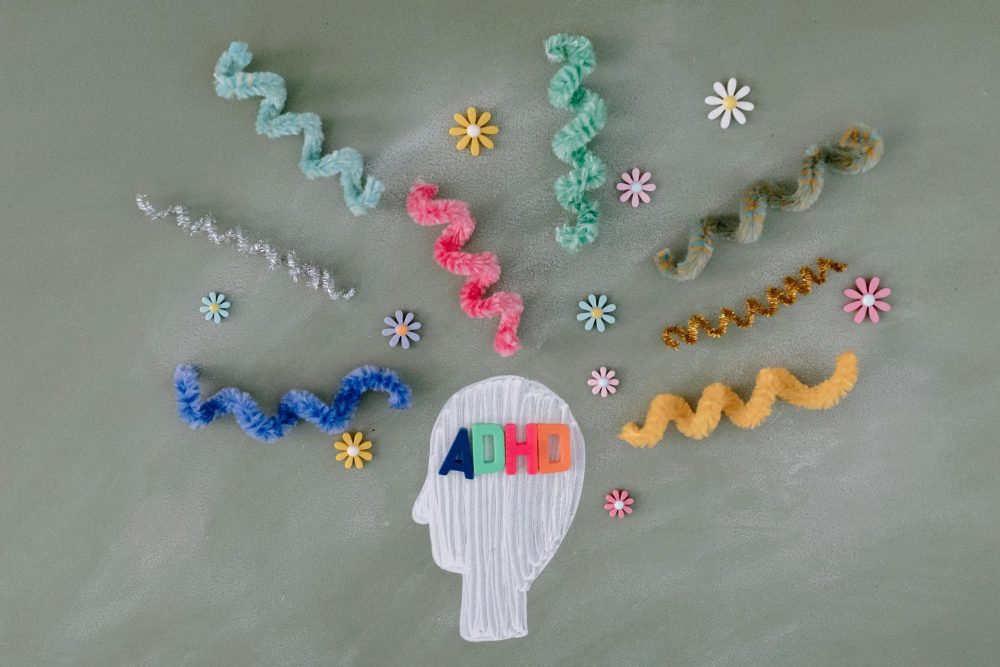
If you live with attention-deficit/hyperactivity disorder (ADHD), you know your brain doesn’t always follow the rules. Maybe your mind races ahead at lightning speed, you hyperfocus on what lights you up, or you lose track of time completely. These differences can be strengths. But they also create unique challenges, especially around food.
A lot of people don’t realize that ADHD and binge eating often go hand in hand. From skipping meals without noticing, to impulsive snacking, to swinging between rigid food rules and chaotic overeating, it can feel like food is a minefield.
You are not alone if eating feels stressful, shameful, or overwhelming. At Ruby Oak Nutrition, we see these patterns every day. Let’s dig into why ADHD makes eating tricky, how restriction can feed the binge cycle, and what you can do to build a calmer, more peaceful relationship with food — without falling into the trap of dieting or guilt.
Why is eating hard with ADHD? The ADHD brain struggles with consistent routines
ADHD brains thrive on novelty and stimulation. Eating, especially if you eat the same breakfast every morning or a familiar lunch, might not register as urgent or exciting. Meanwhile, work deadlines, hobbies, social media, and daily stressors compete for your attention.
The result? Hours pass, and you realize you haven’t eaten since morning. Or you might find yourself grabbing a snack here and there, but never a satisfying meal.
Over time, this unpredictable eating pattern disrupts your hunger and fullness cues. You might not feel physically hungry until you’re extremely hungry, making it hard to eat in a calm, measured way.
Tip: Schedule meals and snacks like appointments. Set alarms or calendar reminders so food becomes part of your daily structure, not something you have to remember on the fly.
How ADHD hyperfocus affects eating habits: Forgetting to eat for hours can lead to binge eating later
Hyperfocus is one of ADHD’s most famous traits. When you’re absorbed in something engaging — a creative project, gaming, deep research, even household tasks — you might completely lose track of time. Hunger cues fade into the background, and hours slip by.
Eventually, your body rebels. Blood sugar crashes, you get shaky and irritable, and you might head straight for the most convenient, high-calorie foods to quickly fix the energy deficit. That often leads to rapid eating and uncomfortable fullness, followed by guilt or shame.
Tip: Try external reminders, like phone alarms, sticky notes on your computer, or even a supportive accountability buddy, to check in with your hunger every 3–4 hours.
Why people with ADHD often turn to food for comfort
Food is more than fuel — it’s soothing, predictable, and pleasurable. Especially for an ADHD brain that may struggle with mood swings, overwhelm, or rejection sensitivity, food can become an accessible source of comfort.
Crunchy, salty, sweet, or highly processed foods provide a quick dopamine rush. That rush can temporarily ease boredom, sadness, or stress. This is why emotional eating is common among people with ADHD.
There is nothing wrong with enjoying food for comfort. But if it becomes your only coping strategy, you might feel stuck in patterns of overeating followed by shame or attempts to restrict.
Tip: Think about expanding your coping toolbox beyond food. Brief movement, music, sensory toys, or grounding techniques can offer similar calm without sending you straight to the pantry.
Understanding impulsive eating with ADHD: Dopamine and snack cravings
ADHD is strongly linked with impulsivity. That means acting on urges without much pause to reflect. With food, this can look like grabbing a snack every time you see it, even if you’re not really hungry.
Foods high in sugar, fat, or salt provide a rapid dopamine boost, which the ADHD brain naturally craves because of differences in dopamine signaling. That’s why you might feel almost magnetically pulled toward certain foods in moments of boredom or stress.
It might feel like the food is controlling you, but really, your brain is seeking dopamine and regulation.
Tip: Slow the process down. Portion snacks into a small bowl, sit down, and notice how they taste. You don’t have to “control” yourself — but adding a mindful pause gives you space to make choices rather than default to autopilot.
How restriction fuels binge eating in ADHD: The binge-restrict cycle explained
Here’s a pattern we see over and over with ADHD and eating:
- You forget to eat, or you try to restrict on purpose.
- Your body builds up intense hunger and cravings.
- You end up bingeing, eating rapidly and sometimes past fullness.
- You feel guilt and try to restrict again to “make up for it.”
- The cycle repeats.
This binge-restrict cycle is painful and hard to break, especially when you also live with impulsivity and emotional overwhelm. But it is not about willpower. It is about biology: restriction primes your brain and body to seek out food urgently.
Tip: Regular, predictable meals and snacks — even if they feel boring — are the foundation for interrupting this cycle. Consistent nourishment is the best prevention for bingeing.
Why diets can backfire for people with ADHD
Many ADHD brains are drawn to diets. Why? Diets offer rules, structure, and a sense of control, which feels stabilizing if your life otherwise feels chaotic. The initial rush of following strict food plans can provide a dopamine spike and a sense of success.
But eventually, diets almost always break down. They are too rigid, too restrictive, or impossible to maintain long-term. And when you “fail” at the diet (because the diet was unrealistic in the first place), ADHD’s all-or-nothing thinking can kick in, fueling a pendulum swing from restriction to chaotic eating.
It’s not you. It’s the diet.
Tip: Replace rigid food rules with flexible structure. Build a rhythm of three meals and two to three snacks, choose foods you actually like, and allow yourself permission to eat enough. Think of this as a supportive framework rather than a strict rulebook.
Diet culture, ADHD, and perfectionism: External pressures can make food struggles worse
Our culture sends constant messages about “good” and “bad” foods, thinness, and “clean” eating. If you have ADHD, you might already feel like you fall short in other areas of life — so trying to be perfect with food can feel like a way to prove yourself.
This perfectionism often backfires. You try to follow a flawless eating plan. Life happens, you slip, and then black-and-white thinking takes over: “I blew it, might as well give up.” That mindset fuels shame and bingeing.
Tip: Give yourself permission to be imperfect. You do not have to eat perfectly to be healthy. Consistency matters far more than perfection. Progress, not flawless execution, is the goal.
How to build an ADHD-friendly eating routine
If there’s one takeaway here, it is that regular, predictable nourishment matters. Your ADHD brain and your body both thrive on stability, even if it feels boring.
Here are some practical ways to create an ADHD-friendly routine:
- Eat breakfast within one to two hours of waking up
- Plan lunch around midday
- Have dinner four to six hours later
- Include snacks between meals if you feel hungry
- Use timers, alarms, or sticky notes as reminders
- Choose easy, convenient foods (there is no shame in frozen burritos or pre-made sandwiches)
- Keep food visible and accessible
The more automated your eating routine becomes, the less brainpower it takes to maintain. This frees you up to focus on other things while keeping your energy and mood stable.
How to cope with shame and perfectionism around food
Perfectionism is a common theme for people with ADHD — especially if you’ve been labeled “lazy” or “messy” growing up. That fear of not being good enough can turn into an extreme desire to “get food right.”
But chasing perfection with food usually leads to disappointment. You can expect setbacks, stress, and days where nothing goes to plan. That is part of being human, and part of living with ADHD.
Instead of beating yourself up, try shifting your language. Replace “I failed” with “I learned something.” Swap “I ruined everything” with “That wasn’t what I wanted, but I can try again.” Self-compassion might feel awkward at first, but it is the antidote to the binge-restrict cycle.
Getting help for ADHD and binge eating
Managing ADHD and a challenging relationship with food is a lot to handle alone. And you do not have to go it alone.
A non-diet registered dietitian, a therapist with experience in ADHD and disordered eating, or a medical provider who understands ADHD can help you build sustainable routines. Together, you can explore patterns, troubleshoot obstacles, and build a flexible structure that works with your unique brain — not against it.
If working with a professional isn’t accessible right now, even reaching out to a trusted friend, partner, or peer support group can ease the burden. Talking about your challenges helps break the shame cycle and reminds you that you are not the only one.
Supporting kids and teens with ADHD and eating struggles
If you are raising a child or teen with ADHD, you might already see some of these patterns: skipping meals, grazing all day, hiding food, or bingeing on sweets.
Here are some ways to support them:
- Offer regular, predictable meals and snacks
- Avoid labeling foods as “good” or “bad”
- Keep sweets and fun foods available in a low-pressure, non-restricted way
- Model flexible eating yourself
- Seek support early if you notice extreme or distressing food behaviors
Helping kids build a calm, predictable routine around food protects them from developing restrictive or bingeing patterns later.
Moving forward: ADHD, eating, and self-compassion
ADHD doesn’t doom you to a lifetime of chaotic eating. Yes, your brain is wired differently, and yes, that wiring can make food feel challenging. But those challenges can be navigated with flexible structure, consistency, and self-compassion.
If you find yourself skipping meals, relying on food for dopamine, or bouncing between strict rules and binges, pause and remind yourself:
- You are not broken
- You are not failing
- You deserve consistent, satisfying nourishment
Your brain might need extra support, and that is perfectly okay.
At Ruby Oak Nutrition, we help clients build peaceful relationships with food that work for their ADHD brains. You don’t have to change who you are to thrive — you just need an eating approach that fits the way your brain works. If you want guidance, we’re here to help!
We’re a group of dietitians who take a non-diet, body-positive, identity-affirming approach to recovery and healing your relationship with food. Go here to learn more about nutrition counseling for kids, teenagers, and adults, in-network with most major insurance companies and offered virtually to clients in North Carolina and over a dozen other states.
Ready to book an appointment? Click here to book online.
Not ready to commit to counseling but want more information about the anti-diet approach? Subscribe to our weekly newsletter.
You might also like:
- How to Set Nutrition Goals Without Falling Into Diet Culture
- Looking For an ARFID Dietitian? Let Us Help!
- “Help! I’m Hungry But Don’t Know What to Eat.”
- Why You’re Obsessed With Food — and How to Stop It

0 Comments