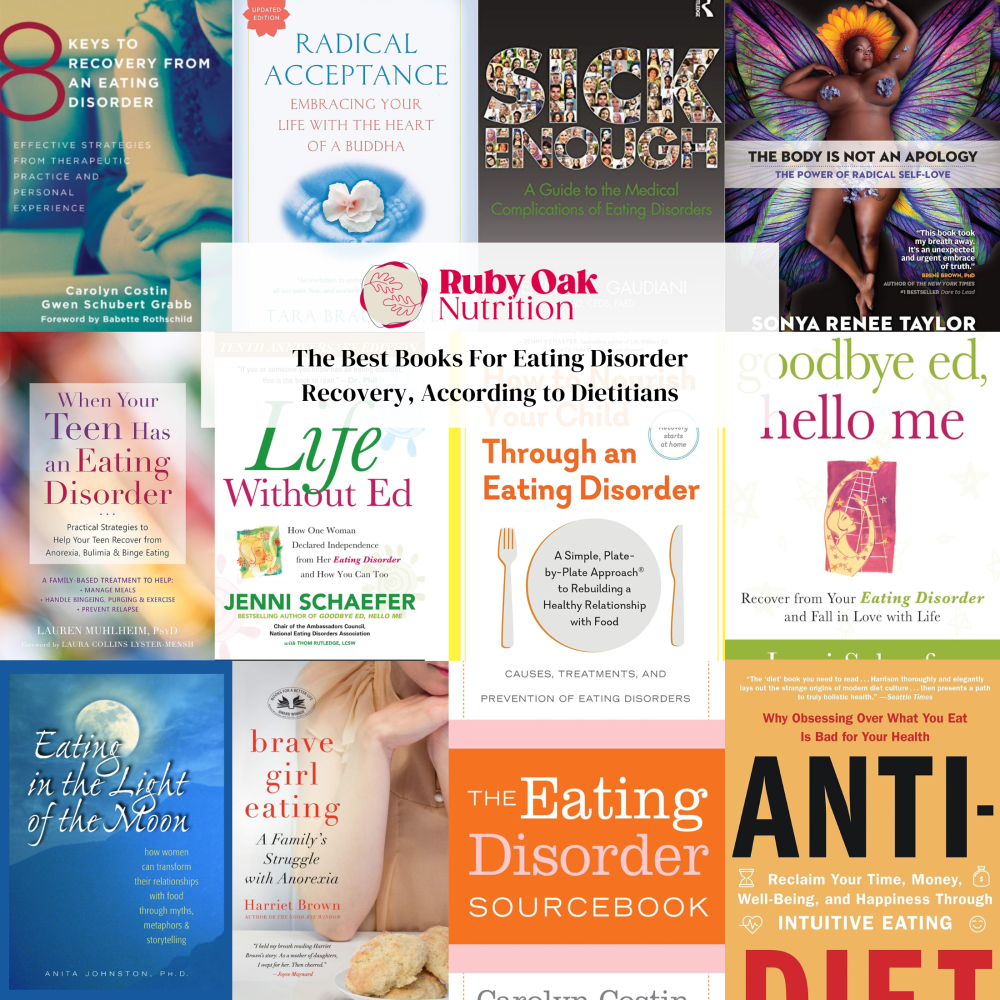
If you’re navigating eating disorder recovery, books can be a powerful source of support and understanding. Whether you’re looking for guidance, relatable stories, or tools to help reframe your relationship with food, the right book can make all the difference.
At Ruby Oak Nutrition, we work with clients from all walks of life who struggle with eating disorders. We regularly recommend books as part of our treatment plan, since they can offer new strategies and perspectives.Below, we’ve rounded up 15 of the best books for eating disorder recovery to help you or your loved ones on this journey. (We also have a list of the best body image books, which are equally helpful.)
Each of these books brings something unique to the table—from personal memoirs and expert advice to practical exercises rooted in evidence-based practices. No matter where you are in your recovery process, there’s something here for everyone.
1. Eating in the Light of the Moon
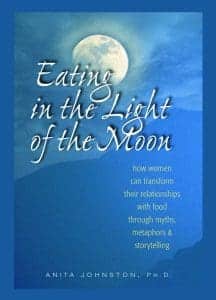
About the Book: This classic blends storytelling and metaphor to help readers understand the deeper emotional and cultural roots of eating disorders. Through engaging myths and folktales, it sheds light on how societal expectations and personal experiences shape our relationship with food and body image. The book offers a compassionate, non-judgmental perspective that encourages self-awareness and healing. It’s a gentle, insightful guide that promotes self-discovery and emotional growth.
Who Might Like It: If you appreciate a more narrative, reflective approach to recovery, this book’s blend of myths and personal insight may resonate with you.
About the Author: Dr. Anita Johnston is a clinical psychologist specializing in eating disorder treatment. She’s been working in the field for over 35 years and is known for integrating storytelling into therapeutic practice.
2. The Eating Disorders Sourcebook
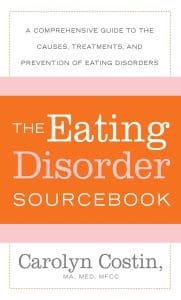
About the Book: A comprehensive guide to everything from understanding different types of eating disorders to practical recovery tools. It offers detailed explanations of the psychological and physiological aspects of eating disorders, making complex concepts accessible to readers. The book includes real-life stories, exercises, and practical advice to support individuals and their loved ones through recovery. It’s packed with resources for both individuals and their support systems, making it an invaluable tool.s.
Who Might Like It: Slightly more clinical than other books on this list, it’s good for those who want a straightforward, informative book about why eating disorders happen and what the recovery process looks like. It’slso great for friends and family looking to better understand the recovery process.
About the Author: Carolyn Costin is a renowned eating disorder therapist and founder of Monte Nido & Affiliates, a series of eating disorder treatment centers. She brings decades of clinical experience to her work.
3. Life Without Ed
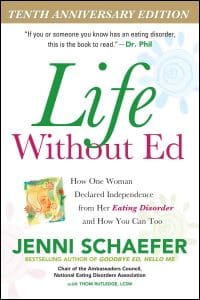
About the Book: Jenni Schaefer uses her own recovery journey to introduce the concept of treating the eating disorder as a separate “voice” named Ed. This practical, empowering book offers tools for silencing that voice and reclaiming your life. Through relatable anecdotes and exercises, Schaefer provides a roadmap for overcoming the grip of an eating disorder. The book’s conversational style makes it feel like you’re talking to a supportive friend who’s been there.
Who Might Like It: Those who find it helpful to externalize their eating disorder or are looking for relatable, firsthand recovery stories.
About the Author: Jenni Schaefer is a speaker, singer-songwriter, and advocate for eating disorder recovery. She has shared her story with audiences worldwide and is a prominent voice in the recovery community.
4. The Body Is Not an Apology
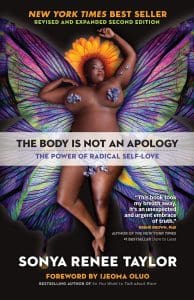
About the Book: While not exclusively about eating disorders, this book offers powerful lessons on radical self-love and body acceptance. It challenges readers to examine how societal norms influence body image and encourages a shift toward self-compassion and empowerment. Taylor’s writing is bold, unapologetic, and deeply inspiring, making complex social issues feel personal and actionable. It’s an inspiring read for anyone working to heal their relationship with their body.
Who Might Like It: Readers looking for a broader social and cultural perspective on body image, especially those interested in social justice and activism.
About the Author: Sonya Renee Taylor is a poet, activist, and founder of The Body Is Not an Apology movement, dedicated to fostering radical self-love and body empowerment.
5. 8 Keys to Recovery from an Eating Disorder
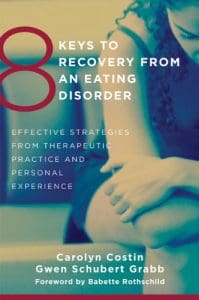
About the Book: Equal parts theoretical and actionable, this book outlines eight essential principles for recovery, offering both personal anecdotes and professional guidance. Each key is accompanied by practical exercises, making it easy to apply the concepts to everyday life. The authors blend clinical expertise with heartfelt stories, creating a balanced, supportive guide. It’s structured in a way that’s easy to follow and apply to daily life, making it a great resource for ongoing support.
Who Might Like It: Ideal for those who like structured guidance paired with real-life stories and practical advice.
About the Authors: Carolyn Costin is a leading eating disorder therapist, while Gwen Schubert Grabb is a therapist and former client of Costin’s, offering both professional and personal perspectives.
6. Sick Enough: A Guide to the Medical Complications of Eating Disorders
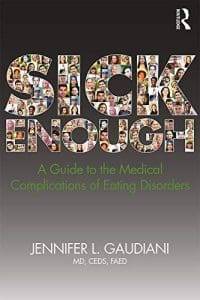
About the Book: This book focuses on the medical aspects of eating disorders, debunking the myth that someone has to be dangerously underweight to be “sick enough.” Dr. Gaudiani explains the wide range of health issues that can arise from eating disorders, regardless of a person’s weight or appearance. The book is written with empathy and aims to reduce the stigma around seeking medical care for eating disorders. It’s informative and compassionate, shedding light on the seriousness of all eating disorders.
Who Might Like It: Perfect for those wanting to understand the physical impacts of eating disorders, as well as caregivers or clinicians looking for medical insight.
About the Author: Dr. Jennifer Gaudiani is an internal medicine physician specializing in eating disorders. She is the founder of the Gaudiani Clinic, which provides expert care for people with disordered eating.
7. Goodbye Ed, Hello Me
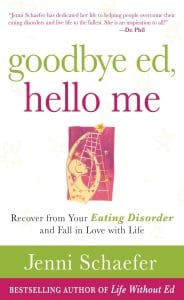
About the Book: A follow-up to Life Without Ed, this book dives deeper into the recovery process and focuses on reclaiming a full, joyful life beyond the eating disorder. Schaefer shares practical tips and motivational stories that inspire readers to embrace life after recovery. The book addresses common challenges faced during the later stages of recovery, offering tools to navigate them with confidence. It’s a hopeful, empowering read for those ready to move forward.
Who Might Like It: Readers who found Life Without Ed helpful and are looking for the next steps in recovery, or anyone seeking inspiration for life after an eating disorder.
About the Author: Jenni Schaefer continues her work as a leading voice in eating disorder recovery, sharing her experiences through books, music, and public speaking.
8. Anti-Diet
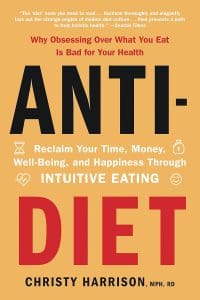
About the Book: Spun off of the popular Food Psyc podcast, This book challenges diet culture and provides a thorough exploration of intuitive eating as a path to healing your relationship with food. Harrison debunks common myths about dieting and health, offering scientific evidence to support a more balanced, compassionate approach. The book also examines the societal pressures that contribute to disordered eating and body dissatisfaction. It’s an empowering read for anyone ready to break free from the diet cycle and embrace food freedom.
Who Might Like It: Those looking to challenge diet culture and adopt intuitive eating principles as part of their recovery journey.
About the Author: Christy Harrison is a registered dietitian, certified intuitive eating counselor, and host of the “Food Psych” podcast. She specializes in helping people heal from disordered eating and develop healthier, more fulfilling relationships with food.
9. Brave Girl Eating
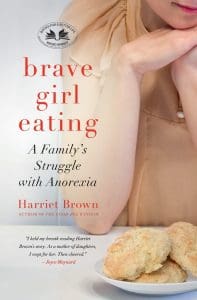
About the Book: This memoir tells the story of a family’s struggle with their daughter’s anorexia, offering a raw, honest look at the challenges and triumphs of recovery. Brown shares the emotional ups and downs of supporting a loved one through an eating disorder, making it relatable and incredibly emotional. The book highlights the importance of family involvement in recovery and the power of unconditional love. It’s a heartfelt account that sheds light on the complexities of eating disorders from a family perspective.
Who Might Like It: Families and caregivers of those with eating disorders, or anyone looking for a deeply personal, heartfelt account of recovery.
About the Author: Harriet Brown is an author and journalist who writes about health, family, and body image. She’s also a professor of magazine journalism at Syracuse University.
10. Intuitive Eating
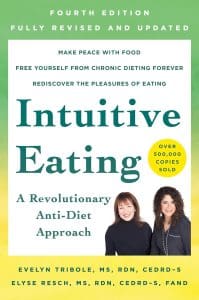
About the Book: This groundbreaking book introduces the principles of intuitive eating, helping readers reconnect with their body’s natural hunger cues and find peace with food. The authors provide practical steps to break free from diet culture and develop a healthier relationship with eating. The book includes exercises, success stories, and scientific evidence supporting the intuitive eating approach. It’s a transformative guide for anyone tired of the dieting cycle and ready to embrace food freedom.
Who Might Like It: Anyone looking to break free from dieting and develop a healthier, more intuitive relationship with food.
About the Authors: Evelyn Tribole and Elyse Resch are registered dietitians who pioneered the intuitive eating movement. Their work has helped millions find a more balanced approach to food.
11. When Your Teen Has an Eating Disorder
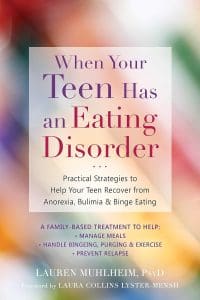
About the Book: This guide is specifically designed for parents navigating their teen’s recovery from an eating disorder, offering practical advice rooted in Family-Based Treatment (FBT). Dr. Muhlheim provides step-by-step instructions for supporting teens through the recovery process, including tips on meal planning and emotional support. The book addresses common challenges faced by families and offers evidence-based solutions. It’s a valuable resource for parents looking to be actively involved in their child’s healing journey.
Who Might Like It: Parents or caregivers looking for clear, actionable steps to support their child’s recovery.
About the Author: Dr. Lauren Muhlheim is a clinical psychologist and certified eating disorder specialist who specializes in evidence-based treatments for eating disorders.
12. Body Image Workbook: An 8-Step Program for Learning to Like Your Looks
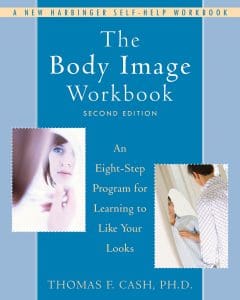
About the Book: Listen — body image is complicated, and it’s true that you may never fully learn “to like your looks” as the title suggests. But title aside, this workbook provides practical exercises and tools to help readers improve their body image and self-esteem. It guides you through an eight-step program that addresses negative thought patterns, encourages self-acceptance, and promotes healthier ways of thinking about your body. The book integrates cognitive-behavioral techniques with self-reflection to create a comprehensive guide to body positivity. It’s a hands-on resource for anyone looking to cultivate a more positive and compassionate relationship with their body.
Who Might Like It: Individuals struggling with body image issues, whether or not they have an eating disorder, will find this book helpful. It’s ideal for those who appreciate a structured, exercise-based approach to personal growth.
About the Author: Dr. Thomas F. Cash is a leading researcher in the field of body image and psychology. His work has been widely recognized for its contributions to understanding how people perceive and relate to their bodies.
13. Radical Acceptance
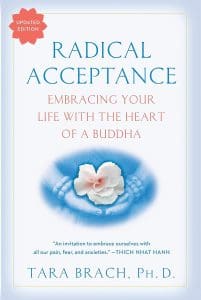
About the Book: While not specific to eating disorders, this book explores the practice of mindfulness and self-compassion, offering tools that can be incredibly helpful in recovery. Dr. Brach combines Buddhist teachings with psychological insights to help readers embrace themselves fully, flaws and all. The book includes guided meditations, personal stories, and practical exercises to foster self-acceptance. It’s a transformative read for anyone looking to cultivate inner peace and emotional resilience.
Who Might Like It: Those seeking to deepen their mindfulness practice and cultivate greater self-compassion during recovery.
About the Author: Dr. Tara Brach is a psychologist, meditation teacher, and author known for her work integrating mindfulness with emotional healing.
14. How to Nourish Yourself Through an Eating Disorder
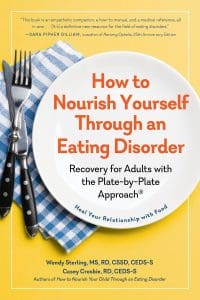
About the Book: At Ruby Oak, we almost always use the Plate-by-Plate Approach® with our clients. This book introduces the approach — a simple, numberless, exchange-free way of creating an eating disorder recovery meal plan — and shows you how to create one for yourself. Complete with sample plates, example schedules, and helpful tracking logs, it empowers readers to take control of their nutrition using a 10-inch plate as a tool. The book provides a step-by-step framework for meal planning and normalizing eating habits without focusing on numbers or weight. It’s an accessible, user-friendly resource for anyone in recovery.
Who Might Like It: Those looking for a straightforward, structured method to normalize eating patterns without the complexity of calorie counting or meal exchanges will find this book valuable. It’s especially useful for individuals seeking a visual and practical approach to meal planning during recovery.
About the Authors: Casey Crosbie and Wendy Sterling are registered dietitians specializing in eating disorders. They created the Plate-by-Plate Approach® to offer a practical, user-friendly method for individuals recovering from eating disorders to restore healthy eating behaviors.
15. How to Nourish Your Child Through an Eating Disorder
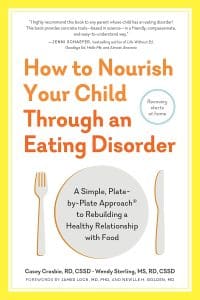
About the Book: Written by the same authors of the book above, this version (which is the original) explains the Plate-by-Plate Approach® for parents, offering a step-by-step guide to supporting a child’s recovery from an eating disorder. It provides practical tools and strategies for meal planning, managing mealtime challenges, and fostering a supportive home environment. The authors include real-life examples and troubleshooting tips to help parents navigate common obstacles. It’s a comprehensive, compassionate guide for families committed to their child’s recovery.
Who Might Like It: Parents or caregivers of children with eating disorders looking for a clear, hands-on approach to help their child navigate recovery.
About the Authors: Casey Crosbie and Wendy Sterling are leading dietitians in the field of eating disorder treatment. They bring years of clinical experience and a compassionate approach to helping families support their loved ones through recovery.
Recovery is a deeply personal journey, and no single book can cover it all.
But whether you’re looking for practical tools, emotional support, or a fresh perspective, these books offer valuable guidance and inspiration. Remember, you don’t have to walk this path alone—there’s a whole community out there ready to support you.
If you’re struggling with an eating disorder or disordered eating, we can help! We’re a group of dietitians who take a non-diet, body-positive, identity-affirming approach to recovery and healing your relationship with food. Go here to learn more about nutrition counseling for kids, teenagers, and adults, in-network with most major insurance companies and offered virtually to clients in North Carolina and over a dozen other states.
Ready to book an appointment? Click here to book online.
Not ready to commit to counseling but want more information about the anti-diet approach? Subscribe to our weekly newsletter.
You might also like:
What Is Gentle Nutrition In Intuitive Eating?
Do You Need an Eating Disorder Meal Plan for Recovery?
What Is the Plate-by-Plate Approach® For Eating Disorder Recovery?
0 Comments