
This blog post mentions sensitive topics such as suicidality and nonsuicidal self-injurious behavior. Take good care when reading. If you or someone you love is experiencing suicidal ideation or thoughts of harm, please reach out to the 988 Suicide and Crisis Lifeline for support.
What is premenstrual dysphoric disorder?
Premenstrual Dysphhoric Disorder (PMDD) is a debilitating menstrual-related mood disorder that impacts approximately 4.2 million menstruating individuals in the United States alone. True rates, however, are likely much higher as PMDD is widely underdiagnosed or misdiagnosed.
Many menstruating people experience notable physical and emotional changes in the week prior to their period – bloating, cramping, acne, breast tissue tenderness, mood swings, and appetite changes amongst other symptoms. PMDD symptoms are generally more intense, sudden, and severe and can begin as early as ovulation (around day 13-15 of the menstrual cycle) and are often more intense, often continuing throughout the luteal phase and until bleeding begins.
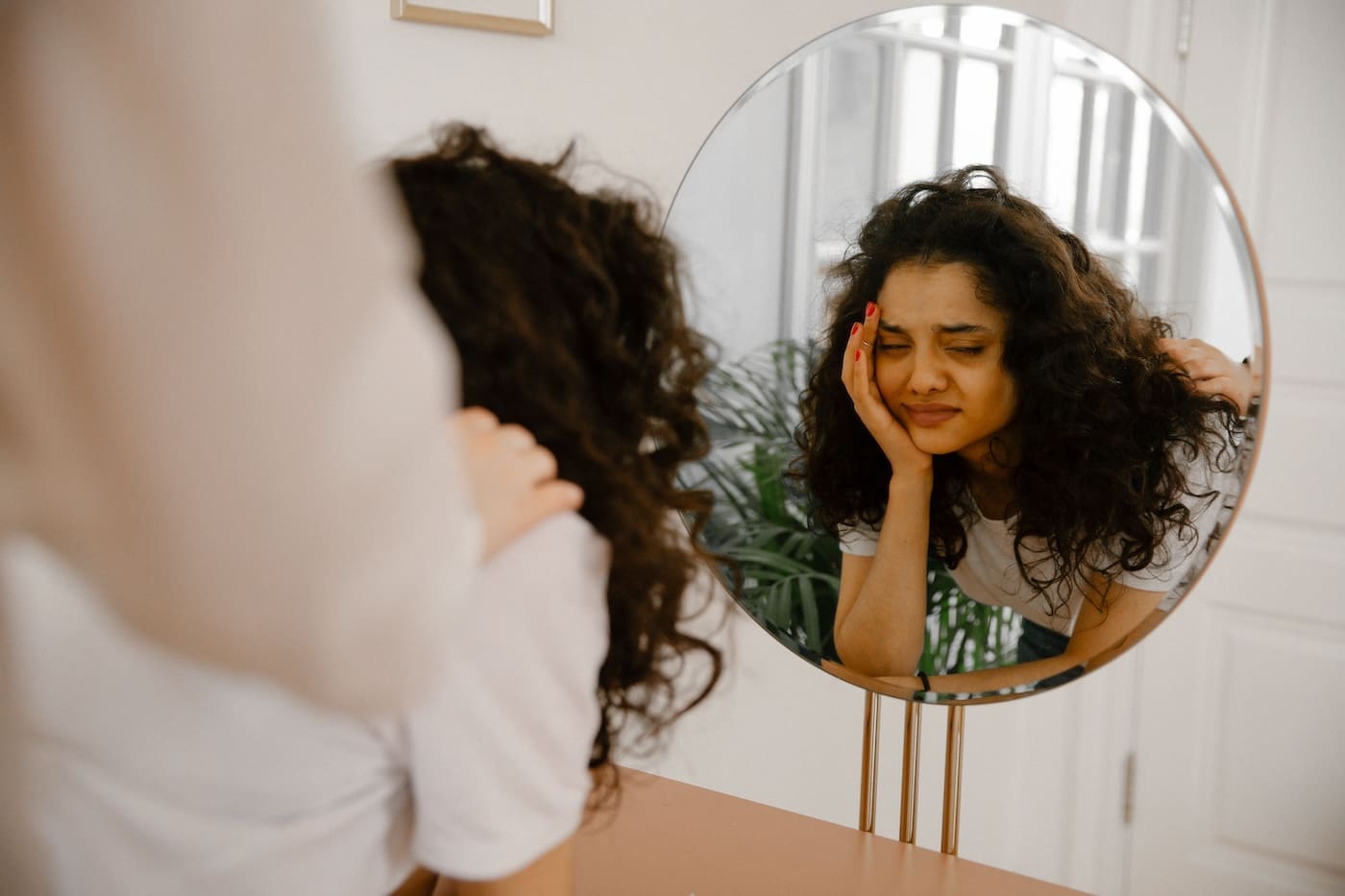
People with PMDD say it feels as if their symptoms turn on like a “light switch”, and that they suddenly experience feelings of inadequacy, depression, body image distress, irritability, anger, fatigue, appetite changes, muscle and joint discomfort, decreased interest in daily activities, intrusive thoughts, anxiety, and sometimes suicidal ideation. These concerns can be debilitating and may impact how an individual is able to show up in their daily life, including relationships, hobbies, work, and school.
The cause of PMDD is likely multifactorial, potentially linked to a history of trauma, an alteration in the brain to normal progesterone changes throughout the menstrual cycle, and serotonin function. Common front-line treatments include hormonal birth control, SSRI medications, and therapy.
How can nutrition help with PMDD? (Hint: It’s not about restriction.)
It’s pretty normal for folks with PMDD to turn to social media for answers or support. So much about women’s health is unclear or dismissed by providers, so it makes sense that people would go looking elsewhere for answers. Trends like “balancing hormones,” “cycle-syncing,” or supplement-based solutions can be alluring, especially if relief or support hasn’t been obtained elsewhere.
But here’s the problem with that: research is limited, some of these “interventions” are costly (or, more importantly, unregulated and possibly dangerous), and false-hope can pull time and energy that could be spent on better support. If you are exploring options online, consider checking in with your dietitian and gynecologist before starting any over-the-counter products or supplements to ensure safety.
In reality, focusing on adequate food intake and self-care, rather than specific nutrients or supplements, is a much better approach to managing PMDD symptoms. There may be other nutrition-related interventions that could help, but these are better discussed one-on-one with a dietitian.
How gentle self-care can help
Think of the luteal phase like exam week: It requires some preparation and likely isn’t the time to overextend yourself beyond what is necessary to keep going. This may not be the time to start strenuous new habits, make plans with that friend who drains your social battery, or expect perfection in any aspect of life. Instead, it can be a time to lean on supports you have already put into place and to practice flexibility and self-compassion as much as possible.
Regular meals and snacks
Some individuals experience changes in appetite during the luteal phase that can make regular eating more challenging. When we go too long without food, we may experience dips in energy and mood that can exacerbate an already wonky emotional baseline.
Attempting to eat something every 2-4 hours is a good start. This “mechanical eating” style can feel counterintuitive, especially if you are working hard to connect to your body’s own rhythm and hunger cues – but those cues can be less reliable during this phase of your cycle. Strategies like setting phone reminders, building in time to eat before and after obligations, stocking your car or workspace with filling snacks, and packing a lunch with enough food can help.
Rely on what you like and keep it simple
Make a list of your go-to meals and snacks that almost always feel good and have these ingredients or items on hand prior to your luteal phase. Protein bars, peanut butter crackers, jerky, fruit leathers, trail mix, portable hummus or nut butters with crackers or sliced apples, cheese sticks, and drinkable yogurts are all handy and nourishing snacks that require very little preparation. You may be more likely to reach for them if they do not require extra steps in order to consume.
Simple meals may be the way to go during the luteal phase, too. Think of things that take minimal effort to prepare. Easy proteins like canned beans or tuna, pre-cooked chicken or beef, and frozen nuggets can be paired with steamer bags or canned veggies, salad kits, microwaveable sweet potatoes and rice pouches. Boxed mac and cheese, take-and-bake items from the grocery store, and frozen meals may also be helpful to have around.
But, if preparing a more elaborate meal with fun and new ingredients would feel comforting and something to be proud of you have full permission to do that instead. The goal is to focus on what feels manageable and supportive, with low expectations if something new doesn’t work out.
Some may benefit from batch-preparing a meal or meal components ahead of ovulation for additional support, but if that feels overwhelming, it is okay to skip it and instead aim for a simple grocery run to have what you need instead.
Keep the refillable water bottle handy
Many individuals with PMDD may experience bloating and headaches around the end of their luteal cycle. Prioritizing hydration can support both symptoms and may even alleviate some fatigue. Our brains require quite a bit of water in order to function properly, and dehydration can impair mental health and cognitive abilities.
Some gentle suggestions to prioritize hydration include:
- Using flavorings if helpful (drink-mix packets or squeeze options, herbal teas, citrus juices)
- Taking to your dietitian to see if an electrolyte supplement may be appropriate depending on your unique needs and activity level
- Filling your water bottle in the morning while making breakfast or waiting for coffee
- Capitalizing on times you are already seated, such as in the car or working at a desk
- Having a full glass with medications
- Adding water reminders to your calendar or phone
- Keeping a water bottle within your line of sight while working or studying
Movement that meets your mood and energy levels
Intentional movement, or exercise, can be supportive of overall mood in the context of PMDD symptoms. The trick is finding movement that you genuinely like and that meets your energy levels and mood. Feeling reflective and wanting stillness? Restorative yoga may be helpful. Experiencing anger or frustration? Maybe a quick sprint to feel your feet pound the floor or some sand bag slams to move the emotion through your limbs would be nice. Craving movement but feeling some fatigue? Maybe a sensory walk with a focus on the sights, smells, and sounds around you could be a supportive option. Needing socialization or joy? A cardio dance class or a game of pickleball with a trusted friend may fit the bill.
Movement releases endorphins that can elevate mood and finding what feels good rather than focusing on intensity, duration, or the “perfect type” is going to be a more gentle, beneficial approach to support PMDD symptoms. And, if movement isn’t in the cards on a specific day or at all during the luteal phase, that’s okay too. Rest is just as productive.
Closing thoughts
PMDD can feel overwhelming and, at times, a dramatic shift from baseline mood and physical ability. While there is no one-size-fits-all solution, small and consistent acts of care like eating enough throughout the day, staying hydrated, choosing enjoyable movement, and simplifying meals can help create a steadier foundation during such a challenging phase of the menstrual cycle. Gentle self-care is not about doing it all perfectly, but instead it’s about meeting yourself where you are, building routines that feel supportive (not restrictive or rigid), and adjusting expectations to allow more room for grace.
If you’re struggling with an eating disorder or disordered eating, we can help! We’re a group of dietitians who take a non-diet, body-positive, identity-affirming approach to recovery and healing your relationship with food. Go here to learn more about nutrition counseling for kids, teenagers, and adults, in-network with most major insurance companies and offered virtually to clients in North Carolina and over a dozen other states.
Ready to book an appointment? Click here to book online.
Not ready to commit to counseling but want more information about the anti-diet approach? Subscribe to our weekly newsletter.
You might also like:
- 4 Ways to Spot a Fad Diet
- 6 Sneaky Examples of Diet Culture That Are Actually Toxic
- Feeling Shame About Your Body? Here’s How to Handle It.
- Intuitive Eating for PCOS: Can it Work?

0 Comments