
I grew up in the era of low-fat yogurt, spray butter, and labels proudly announcing “97% fat free.” Snackwells were everywhere, and dressing was almost always served on the side. Whether or not you were alive to remember it, the fact is that diet culture spent decades convincing people that fat was something to avoid if you cared about your health, and a lot of us absorbed that message pretty deeply. So if fat still feels a little suspicious sometimes, that makes sense.
The thing is, nutrition science has come a long way since those messages became popular. One of the biggest things we’ve learned is that fat is not the villain it was made out to be. In fact, your brain actually relies on fat in some pretty important ways.
Is there fat in your brain?
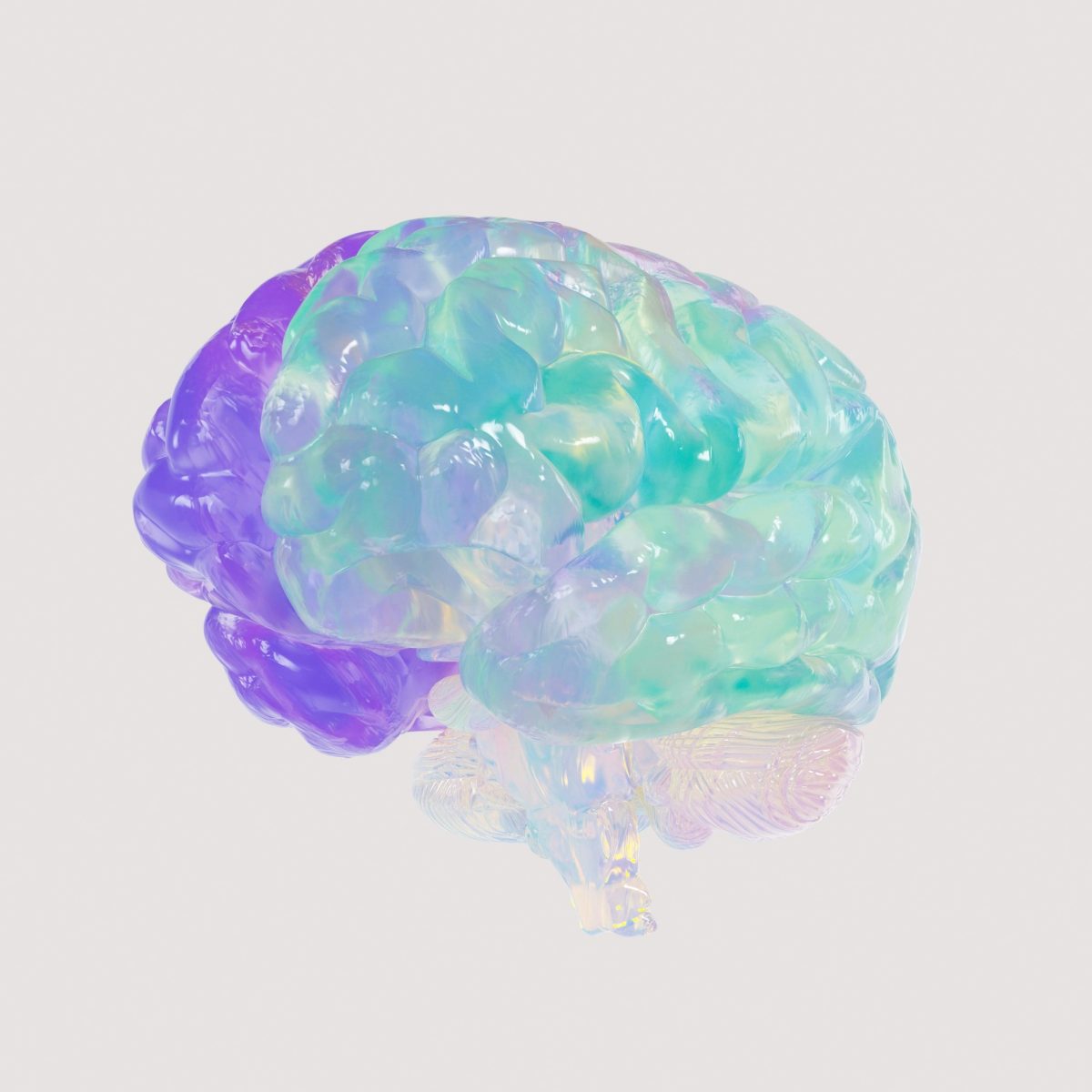
For starters, the brain itself is made up largely of fat. Roughly 60 percent of its dry weight comes from fatty compounds. That doesn’t mean the fat you eat directly turns into brain tissue overnight, but it does tell us something important. Fatty molecules are a big part of how the brain is built and how it functions.
Your brain cells are surrounded by membranes that help protect them and control what moves in and out. Those membranes are made largely from fats. They also help brain cells communicate with each other. Every thought you have, every memory you form, and every emotion you process depends on brain cells sending signals back and forth. Fat helps make that communication possible.
How does fat help your brain cells communicate?
Your brain is kind of like mission control for your entire body, which means it’s always sending and receiving messages. Every thought, movement, memory, and emotion depends on brain cells communicating quickly and clearly with one another. That communication happens through tiny signals that travel across connections between cells, and the structure of those cells plays a big role in how smoothly the communication can happen.
Fats are a key part of that cellular structure. The outer layer (AKA cell membrane) of every brain cell is mostly fat. This membrane needs to be flexible and fluid, not rigid, so that signals can pass efficiently from one cell to the next. When the membrane has the right balance of fats, brain cells are better able to send, receive, and respond to those signals.
Some fats are especially supportive here, particularly omega-3 fatty acids. One type of omega-3 called docosahexaenoic acid (DHA) is a major building block of brain cell membranes. DHA helps maintain that ideal balance of structure and flexibility, which supports clear, efficient communication between brain cells. This is especially important for things like focus, learning, memory, and overall cognitive function.
Your body can’t produce enough DHA on its own, so you need to get it from the food you eat. Fatty fish like salmon and sardines, nuts, and seeds are some of the most common sources of DHA, and you can also get it from supplements. You don’t need to obsess about including a certain amount of these foods in your diet, but adding them to your meals and snacks when it makes sense can help give your brain what it needs to function well over time.
Does your brain burn fat?
When you think of burning fat and calories, you might think of a super intense gym session or a long run. But actually, the majority of the energy you burn throughout the day goes towards fueling the repetitive body and brain functions that keep you alive. Your brain in particular requires a whole lot of energy, even though it only makes up a small percentage of your body weight. Most of the time, that energy comes from glucose, which your body gets from carbohydrates. But your brain is pretty adaptable, and it can burn fat for energy in a pinch.
When your body breaks down fat, it can produce compounds called ketones. Those ketones can travel through the bloodstream and cross into the brain, where they can be used as fuel. This is one of the ways the body is designed to keep the brain supplied with energy under different conditions, including between meals or during physical activity.
How does fat support cognitive function?
There’s so much talk these days about various supplements, hacks, and diet plans that supposedly support cognitive function, but the evidence shows that the basics matter most. Even with the most expensive supplement and the most cutting-edge technology (all questionable, TBH), your brain won’t function at its best without adequate fat.
Omega-3 fatty acids are involved in something called synaptic plasticity: the brain’s ability to strengthen and adjust the connections between neurons, which plays a major role in learning, memory, and adapting to new experiences. Some research also suggests that these fats may help support mood and overall brain resilience over time.
What are the benefits of fat beyond brain health?
Another thing people don’t always realize is that fat helps your body absorb certain vitamins. Vitamins A, D, E, and K are what we call fat soluble vitamins, which means your body needs some dietary fat in order to properly absorb and use them. Many of these vitamins play roles in immune health, nervous system function, and protecting cells from damage. Including some fat in meals actually helps your body get more out of the nutrients in the foods you eat.
Fat Also Helps Meals Feel Satisfying
There’s also a piece of this conversation that doesn’t get talked about enough, especially when we’re unpacking diet culture: fat makes food satisfying! It adds flavor, richness, and texture to meals.
When meals include fat, they often feel more complete and satisfying. That satisfaction matters. When food is satisfying, it’s easier to feel full and move on with your day instead of thinking about food constantly. When fat gets cut out in the name of “being healthy,” meals can end up feeling a little unsatisfying, which sometimes leads to feeling hungrier or more preoccupied with food later.
What are the benefits of fat beyond brain health?
Fat does a lot more in your body than support brain function. First off, it’s crucial for nutrient absorption. Certain vitamins, specifically vitamins A, D, E, and K, are “fat-soluble.” That means they’re only absorbed into your bloodstream when they’re able to mix with dietary fat in your digestive tract. (Yet another reason why you should never eat a salad with no dressing!) When you include fat in a meal, you’re not just adding flavor, you’re also helping your body get more out of the nutrients already on your plate.
Fat also makes meals more satisfying. It adds taste and texture to make your meal more enjoyable. And, because it’s broken down and absorbed more slowly than other macronutrients, it keeps you feeling full for longer.
That sense of satisfaction matters more than people think. When meals include fat, you’re more likely to feel full and content afterward, which can make it easier to move on with your day without constantly thinking about food. On the other hand, when fat is stripped away in an effort to “eat healthier,” meals can feel a little lacking. That can leave you feeling less satisfied, which sometimes shows up as lingering hunger, more frequent snacking, or feeling preoccupied with food later on.
What foods should you eat to get brain-supporting fats?
I take an intuitive eating approach to nutrition and overall health, which means I don’t believe in micromanaging every nutrient or putting certain foods on pedestals while demonizing others. Instead, I help my clients settle into a way of eating that supports their bodies and feels sustainable. When we talk during appointments about making certain food choices that can improve overall health, I encourage each person to think about how various health-promoting foods fit into the meals and snacks that they love. Often, they’re eating these foods already!
Many everyday foods that people genuinely enjoy also happen to contain fats that support brain health. For example:
- Avocados
- Nuts (like almonds, cashews, and walnuts)
- Seeds (like chia, flax, and pumpkin seeds)
- Olive oil
- Eggs
- Fatty fish (like salmon, sardines, and trout)
- Nut butters (like peanut butter or almond butter)
These foods add flavor and satisfaction to meals while also providing nutrients your brain can use.
Fat is essential for brain function and overall health.
At the end of the day, fat is just one part of the bigger picture of nourishment, but it’s an important one. It helps build brain cells, supports communication between neurons, provides another potential source of fuel, and helps your body absorb key vitamins.
If years of diet culture messaging made fat feel like something to fear, you’re not alone. A lot of people are still untangling those messages. But the more we learn about how the body actually works, the clearer it becomes that fat isn’t the enemy. It’s simply one of the many nutrients that helps keep your brain and body supported.
If you’re struggling with an eating disorder or disordered eating, we can help! We’re a group of dietitians who take a non-diet, body-positive, identity-affirming approach to recovery and healing your relationship with food. Go here to learn more about nutrition counseling for kids, teenagers, and adults, in-network with most major insurance companies and offered virtually to clients in North Carolina and over a dozen other states.
Ready to book an appointment? Click here to book online.
Not ready to commit to counseling but want more information about the anti-diet approach? Subscribe to our weekly newsletter.
You might also like:
- Why Are Carbohydrates Important? According to a Dietitian.
- Why You’re Still Hungry After Eating: the Satisfaction Factor
- Whole30 Review: Junk Science Won’t Lead to Food Freedom
- Why Intuitive Eating Feels Harder Than Dieting


0 Comments