
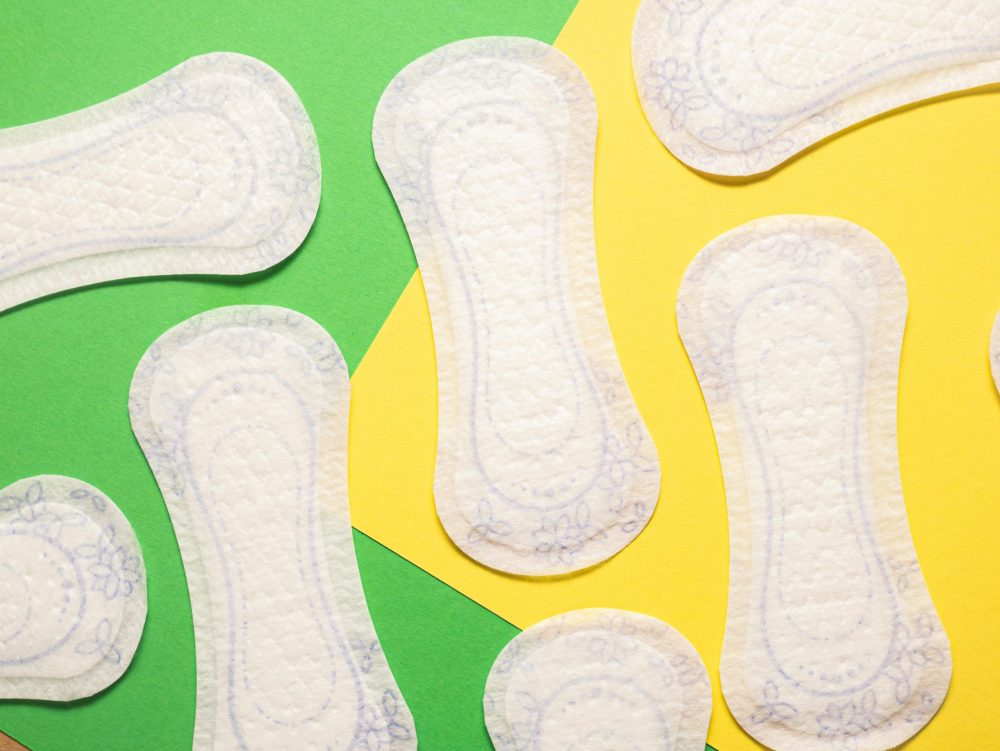
If you’ve lost your period, you might be feeling confused, frustrated, and maybe even scared. For many people, a lost period seemingly comes” out of nowhere” and leaves them wondering what they did wrong or whether something is seriously wrong with their body.
While there are many causes of a missed period, one common underlying issue is that your body is in a prolonged energy deficit — AKA, you’re consistently eating fewer calories than you need, and your body isn’t properly nourished or energized. When your body doesn’t get enough energy over time, it shifts into survival mode. In that state, it prioritizes immediate survival and downshifts other functions, including reproductive ones like your menstrual cycle.
This pattern is often referred to as hypothalamic amenorrhea (HA). Periods may slowly become irregular or stop altogether. Either way, a lost period is an important signal that your body needs support. Restoring your cycle isn’t just about fertility. It’s about protecting your bones, hormones, metabolism, and long-term health.
What causes hypothalamic amenorrhea?
The driving factor behind hypothalamic amenorrhea is low energy availability, meaning your body is consistently burning more energy than it’s getting from food.
This can happen due to:
- Under-eating or chronic dieting
- Exercising more than your body can support
- Ongoing psychological or physical stress
- A combination of all three
You don’t need to be training intensely or exercising excessively for this to happen. Even moderate activity can contribute to low energy availability if food intake isn’t sufficient to support both movement and basic physiological needs.
Over time, low energy availability can affect far more than your menstrual cycle. It’s associated with reduced bone density, suppressed immune function, digestive issues, cognitive changes, mood shifts, and persistent hormone disruption. Addressing it early can prevent long-term consequences.
Eating significantly more calories than your body burns is the foundation of getting your period back
If low energy availability led to period loss, improving energy availability is the cornerstone of recovery. For most people, this means eating more than a basic “maintenance” intake, at least temporarily. In other words, it means eating way more food than you think you need, and taking in more calories than you burn. (On social media, it’s come to be known as the all-in approach.
This can feel uncomfortable, especially if restriction or food rules played a role in losing your period. That discomfort doesn’t mean you’re doing something wrong. It often means your body is receiving what it needs to repair and rebalance.
Carbohydrates play a critical role in menstrual cycle recovery
Carbohydrates are one of the most commonly under-consumed nutrients in people who’ve lost their periods, especially athletes and high-achievers.
Consistently under-eating carbs signals energy scarcity to the brain. This increases cortisol, the primary stress hormone, and suppresses gonadotropin-releasing hormone (GnRH), which is essential for regulating the menstrual cycle.
Adequate carbohydrate intake throughout the day is often a non-negotiable part of restoring a lost period, even if that challenges long-held beliefs about food.
Dietary fat supports hormone production
Estrogen and progesterone are derived from fats, which makes dietary fat essential for hormonal health. When fat intake is too low, hormone production can suffer, even if total calorie intake appears adequate.
Including a variety of fats like oils, nuts, seeds, dairy, avocado, and fatty fish supports hormone synthesis, improves energy intake, and reduces metabolic stress, all of which are important for menstrual recovery.
Protein matters, but balance matters more
Protein supports tissue repair, immune health, and overall function, but it’s often overemphasized in recovery. Very high protein intake can crowd out carbohydrates and fats, the nutrients most closely tied to hormonal restoration.
Rather than aiming for aggressive protein targets, recovery tends to go better with balanced meals that include protein alongside sufficient carbs and fats. Individual needs vary, and working with a registered dietitian can help determine what balance best supports your body.
Why meal timing and consistency matter
What you eat is important, but when you eat also matters when you’re trying to get your period back. (Although, not in the rigid, ‘don’t eat after 8 PM’ way that some people might think.)
Skipping meals, delaying food, or waiting until hunger feels intense can increase stress hormones and reinforce the low-energy state that’s keeping your cycle suppressed. Eating every few hours helps stabilize blood sugar, lower cortisol, and provide consistent energy.
During recovery, hunger cues may be subtle or absent. That doesn’t mean your body doesn’t need nourishment. Eating regularly, even without strong hunger, is often a necessary part of healing.
Practical ways to support menstrual recovery
Small, consistent changes are often more effective than drastic ones. These evidence-based steps support energy availability and hormonal recovery.
1. Eat every 3–4 hours
Regular meals and snacks lower stress hormones and signal safety to the body. Hunger cues may be unreliable during recovery, so eating on a schedule is often necessary.
2. Include carbs and fat at most meals
Carbohydrates and dietary fat are essential for hormone production. Prioritizing balance, not just protein, supports menstrual recovery.
3. Fuel before and after exercise
Eating around movement reduces the energy deficit that contributes to period loss. You don’t need to earn food through exercise. Fueling supports recovery.
4. Avoid long gaps or skipped meals
Skipping meals or delaying food keeps the body in a stressed, low-energy state. Planning ahead and keeping food accessible can help maintain consistency.
5. Support recovery with rest and sleep
Nutrition is foundational, but rest matters too. Reducing training load, increasing sleep, and easing mental stress help the body resume normal hormonal function.
How long does it take to get your period back?
There’s no universal timeline for recovering a lost period. Some people see changes within a few months, while others need longer periods of consistent nourishment, stress reduction, and support.
Recovery isn’t linear. Other signs often appear first, like improved energy, better sleep, reduced food noise, and improved mood. These are meaningful indicators that your body is moving toward balance, even if your period hasn’t returned yet.
When to seek support for hypothalamic amenorrhea
Menstrual recovery is not something you have to navigate alone. Support can reduce confusion, ease anxiety, and help prevent prolonged health consequences.
Many people delay seeking care because they worry they aren’t “sick enough” or assume recovery won’t work for them. If you have a history of disordered eating, chronic dieting, excessive exercise, or pushing through fatigue and stress, professional support can be especially valuable.
If you’re struggling with a lost period, an eating disorder, or another nutrition-related issue, we can help! We’re a group of dietitians who take a non-diet, body-positive, identity-affirming approach to recovery and healing your relationship with food. Go here to learn more about nutrition counseling for kids, teenagers, and adults, in-network with most major insurance companies and offered virtually to clients in North Carolina and over a dozen other states.
Ready to book an appointment? Click here to book online.
Not ready to commit to counseling but want more information about the anti-diet approach? Subscribe to our weekly newsletter.
You might also like:
- Reconnecting With Movement in Eating Disorder Recovery
- How to Eat Intuitively When You’re Busy at Work
- Do You Need an Electrolyte Drink For Your Workout?

0 Comments